
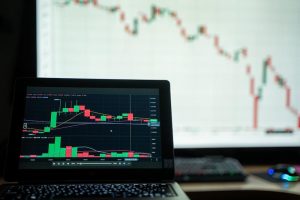
Asia is the fastest-growing region in the global economy, and Indian investors benefit from understanding how neighbouring markets behave. Before the local session begins, many market watchers glance at Dow Jones Live data to see how the broader global mood ended the previous night. Then they turn their attention to the Hang Seng Index and other regional gauges to see how sentiment is shaping up closer to home. This two-step habit helps investors build context, which is the foundation of every sound trading and investment decision.
Why Regional Awareness Matters
India’s positioning in the time zones is beneficially sandwiched between the Asian morning session and the European closing one. Indian markets open while Asian counterparts are in action and close as others start their day, which creates fertile ground for daytime influence of the former on the latter. Indian stocks of technology, metals, financials and consumer staples tend to follow the regional movements during the day, presenting fertile ground for taking advantage.
This awareness provides understanding of foreign funds flows into emerging Asia as a basket of countries, as they usually follow the trend of one market to the next and sell across a basket of shares when risk appetite is adversely affected.
Few Simple Steps to Track Asian Indices
There is no need to subscribe to expensive financial portals to keep track of Asian bourses. A free portal or an app from a brokerage house, apart from financial news channels will provide all relevant information. Set up a watch-list that contains not more than half-a-dozen indices in the key regions to focus on and a couple of currency and commodity pairs. The fewer the tickers, the easier it is to get an overview without getting lost in the details.
While tracking down the numbers, focus on direction as well as value and volume of movement and understand reasons behind the moves; learn to differentiate between a broad-based healthy rally on rising volumes with improving earnings and a spurious one caused by a small number of stocks and low volumes.
A brief scan through the morning summary, as provided by portals every day will give the much-needed context to help understand the trigger for the moves in different markets and indices.
Linking Regional Indices to Indian Stocks
The trends in other markets often have their reflections in specific sectors of the Indian stock market. A buoyant technology indices in other markets drive the mood of IT stocks here. So do metal indices and their impact is visible in Indian steel and aluminium majors. Weakness in consumer discretionary in one or more of the economies impacts the exports of textile, engineering goods or chemicals from India, while strengthening the currency in this region makes Indian exports expensive and impacts sectors like FMCG and retail. A closer watch on these linkages will help take positional calls on such sectors and avoid taking discretionary calls on individual stocks on unrelated factors.
For Long-Term Investors: Information Leads to Opportunities
For long-term investors, tracking the developments in other markets is beneficial to understand how to position their exposures in diversified equity mutual funds based on the opportunities spotted. This watch helps an investor understand the exposure to various sectors of the economy through these schemes where specific exposure to domestic or export-oriented sectors informs the decision to top up or trim the allocation to such schemes.
Review the allocation to different kinds of equity schemes every quarter and decide based on the prevailing trends if the mix between these schemes and between tax-saving and non-tax saving instruments as well the allocation to gold or other assets is in tune with your overall ability to take risk. Such a review augmented by the tracking mentioned above can be done without getting lost.
Watch Out for These Pitfalls and Avoid Getting Influenced
One of the common errors made is to assume that the moves in other markets will automatically get reflected in India as well, ignoring our unique domestic drivers like monsoon, government spending, credit growth and regulatory moves by RBI and SEBI. Another error tends to be to jump into action on the back of a big move in an index. The noise tends to be more of a hindrance as most retail investors tend to take positions after the smart money has already positioned itself for a counter-move. A combination of being selective about the instruments, entering at staged levels, and a limit to the extent of risk in such positions, is necessary to avoid getting spooked out or buying at the peak.
Lastly, don’t fall into the trap of excessive concentration: set a limit to the extent of information consumed by sticking to two or three good portals or newspapers and deciding on the time to spend on each on a given day. The value of tracking regional indices is to gain awareness and avoid taking impulsive decisions; excessive concentration creates unwarranted anxiety. By tracking the developments in other markets, Indian investors can be better informed of the factors influencing different markets and remain invested without being spooked out by occasional volatilities.