
When homeowners begin researching chimney repair cost, they are often looking for a simple answer—how much will it cost to fix the problem? The reality, however, is that chimney repair costs can vary widely depending on several factors, including the type of damage, the extent of deterioration, and the materials involved.
Because chimney systems are complex structures made up of multiple components, repair costs are rarely one-size-fits-all. Understanding what influences chimney repair cost helps homeowners make informed decisions, plan ahead, and avoid unexpected expenses.
Why Chimney Repair Costs Vary So Much
One of the main reasons chimney repair costs differ from one home to another is that no two chimneys experience damage in exactly the same way.
Several variables influence pricing, including:
- The type of repair required
- The severity of the damage
- Accessibility of the chimney
- Height and structure design
- Materials used in the repair
- Labor intensity
For example, repairing minor mortar cracks will cost significantly less than rebuilding an entire section of a chimney. Similarly, a chimney that is easy to access will require less labor compared to one with steep roof access or complex structural challenges.
Common Types of Chimney Repairs and Their Cost Impact
Understanding the most common types of chimney repairs can help explain why chimney repair cost varies.
Minor Mortar Repairs (Tuckpointing)
Tuckpointing involves removing and replacing deteriorated mortar joints. This is typically one of the more affordable repairs, especially when addressed early.
Chimney Crown Repair
Cracks in the chimney crown can often be sealed or resurfaced. However, severe crown damage may require rebuilding, which increases cost.
Flashing Repair
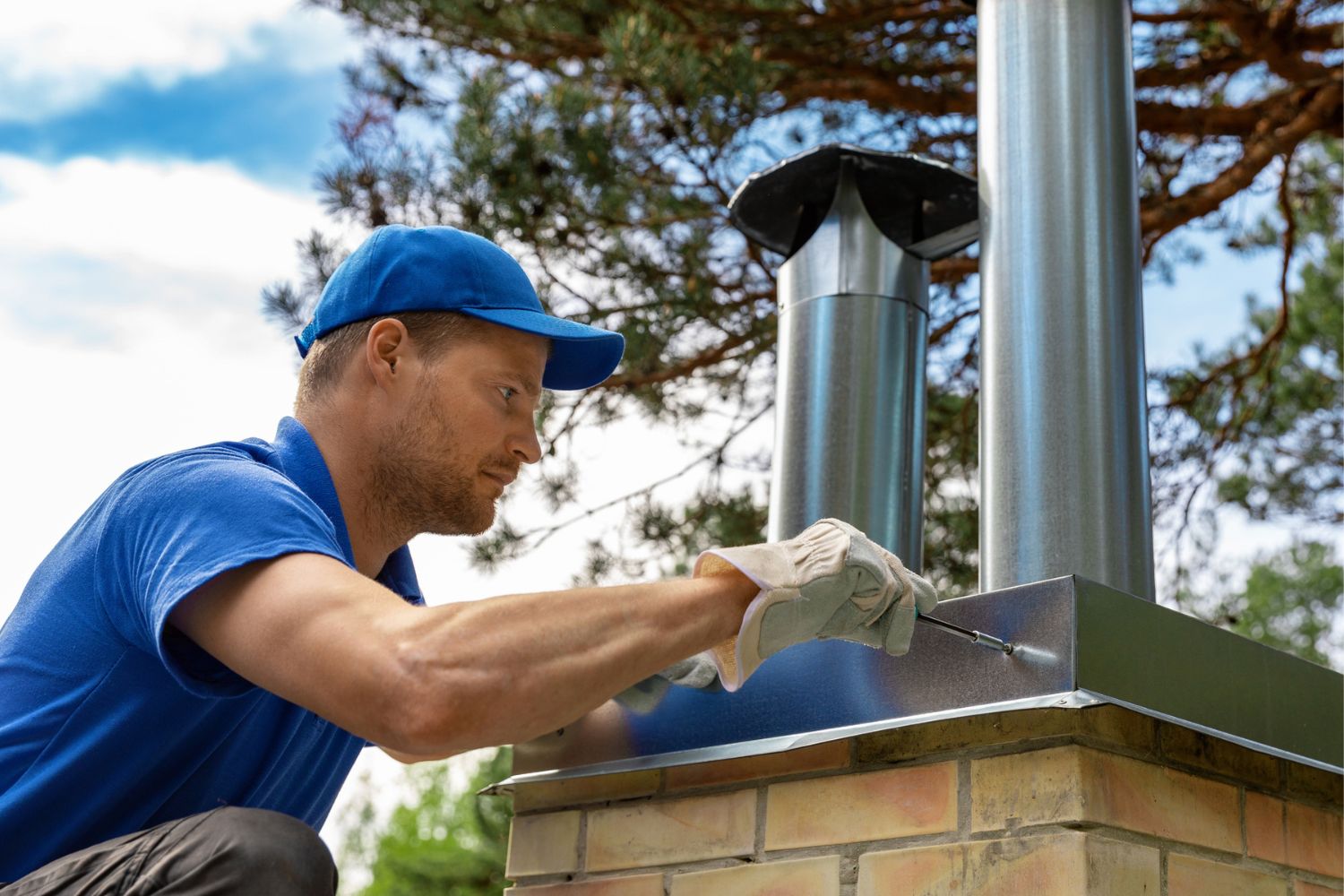
Repairing or replacing flashing involves sealing the area where the chimney meets the roof. Because this area is critical for preventing leaks, proper repair is essential.
Brick Replacement or Rebuilding
When bricks become damaged due to moisture or spalling, sections of the chimney may need to be rebuilt. This is more labor-intensive and increases chimney repair cost.
Flue Liner Repair or Replacement
Liner repairs can range from minor fixes to full replacement. Because liners are essential for safe venting, these repairs can be more specialized.
Each of these repairs requires different materials, tools, and levels of expertise.
How Damage Severity Affects Chimney Repair Cost
The extent of the damage plays a major role in determining chimney repair cost.
Small issues—such as hairline cracks or minor mortar deterioration—are usually less expensive to fix. However, when damage is allowed to progress, costs increase significantly.
For example:
- A small crack in mortar can be repaired quickly
- The same crack, if ignored, may allow water intrusion
- Water damage can weaken bricks and internal components
- Structural repairs may then become necessary
This progression highlights the importance of early intervention.
The Role of Water Damage in Increasing Repair Costs
Water is the leading cause of chimney deterioration, and it directly impacts chimney repair cost.
When moisture enters the chimney:
- Mortar begins to break down
- Bricks absorb water and weaken
- Freeze–thaw cycles expand cracks
- Metal components begin to rust
- Interior damage may occur
Because water can affect multiple parts of the chimney simultaneously, repairs become more complex and costly over time.
Addressing water intrusion early is one of the most effective ways to control repair costs.
Accessibility and Labor Considerations
Another factor that influences chimney repair cost is how easy it is for technicians to access the chimney.
Factors that affect accessibility include:
- Roof pitch and height
- Chimney location on the roof
- Surrounding structures or landscaping
- Safety requirements
A chimney that is difficult to reach may require additional safety equipment, time, and labor. This increases the overall cost of the repair.
Materials and Their Impact on Cost
Different types of repairs require different materials, which also affect chimney repair cost.
Examples include:
- Standard mortar vs. specialized masonry materials
- Concrete crown materials
- Metal flashing components
- Stainless steel liner systems
Higher-quality materials may increase initial costs but often provide better durability and longer-term value.
Choosing the right materials is essential for ensuring repairs last.
Why Cheap Repairs Can Cost More in the Long Run
It can be tempting to choose the lowest quote when comparing chimney repair cost. However, low-cost repairs often involve shortcuts that may not address the root cause of the problem.
Temporary fixes—such as surface sealing without proper repair—can lead to:
- Recurring leaks
- Continued structural deterioration
- More extensive repairs later
- Higher long-term costs
Quality repairs focus on solving the underlying issue rather than masking symptoms.
How Inspections Help Manage Chimney Repair Cost
Regular chimney inspections play a key role in controlling repair costs. Inspections allow professionals to identify small issues before they become major problems.
During an inspection, technicians can detect:
- Early mortar deterioration
- Small crown cracks
- Flashing gaps
- Liner wear
- Moisture intrusion
Addressing these issues early keeps chimney repair cost manageable and prevents unexpected expenses.
Planning for Chimney Repair
Homeowners can take a proactive approach to chimney repair by planning ahead.
Helpful steps include:
- Scheduling annual inspections
- Addressing minor repairs promptly
- Monitoring for warning signs
- Budgeting for maintenance
- Choosing qualified professionals
Planning reduces the likelihood of emergency repairs, which are often more expensive.
When Chimney Repair Cost Becomes a Major Investment
In some cases, chimney repair cost can become significant—especially when damage has progressed to structural issues.
Examples include:
- Partial chimney rebuilds
- Full liner replacement
- Extensive masonry repair
- Severe water damage restoration
While these repairs may require a larger investment, they are often necessary to restore safety and structural integrity.
Final Thoughts
Chimney repair cost is influenced by a wide range of factors, from the type of repair needed to the extent of the damage and the materials involved. While it may be difficult to estimate an exact cost without inspection, understanding what drives pricing helps homeowners make informed decisions.
The most important takeaway is that early maintenance and timely repairs significantly reduce overall costs. Small issues are easier and more affordable to fix, while delayed repairs often lead to more extensive work.
By staying proactive and addressing problems early, homeowners can manage chimney repair cost effectively while protecting their home and ensuring long-term chimney performance.