
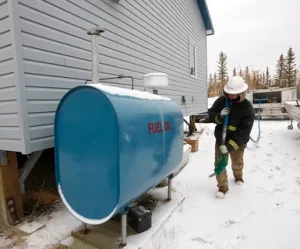
If you’ve ever ordered oil in the middle of a cold snap, you already know that heating oil delivery isn’t just a purchase—it’s a logistics event. In peak winter, the “delivery” part is often harder than the “oil” part. Routes are packed, storms compress schedules, private roads become sketchy, and one delayed stop can ripple through an entire day. That’s why homeowners who stay comfortable all season tend to follow a simple rule: they treat oil deliveries like a system, not a last-minute task.
This article is a winter-proof operating plan for homeowners. It covers how delivery companies route and schedule, what triggers delays, how to time your order for maximum flexibility, and the “home prep” checklist that prevents most reschedules. The goal is simple: reliable fills that feel boring—in the best way.
How heating oil delivery is actually scheduled (and why homeowners misunderstand it)
Most people imagine dispatch like a calendar appointment: you order, you get a slot, and the truck arrives on time. But delivery scheduling is closer to route planning than appointment booking.
Providers generally optimize for:
- Geographic clustering: Stops are grouped by area to reduce driving and increase daily capacity.
- Safety conditions: Steep, icy, narrow, or unplowed access can’t be “forced.”
- Time compression: Storms reduce speed, increase stop time, and create backlogs.
- Operational constraints: Driver hours, truck capacity, and traffic or road closures.
That means a good delivery outcome isn’t just “I called.” It’s “I called early enough to fit the routing logic, and my home is easy and safe to deliver to.”
The ordering trigger that prevents most winter headaches
If you want better delivery windows, you need one thing: buffer. Without buffer, you’re forced to accept whatever timing you can get. With buffer, you can choose.
A practical trigger system:
- Order at ~⅜ tank during peak winter (January–February).
- Treat ¼ tank as your “danger zone,” not your standard habit.
- If a multi-day cold snap is forecast and you’re below ½, order earlier.
Why ⅜? Because cold weather can accelerate usage fast, and a storm can delay deliveries by a day or two. Ordering earlier buys you routing flexibility. It also reduces the chance of running out, which can trigger extra service needs (like bleeding the line) depending on your system.
The “72-hour storm rule” that saves you from compressed schedules
Storms don’t just make roads worse—they create surges. Homeowners rush to order at the same time, and delivery schedules compress into fewer safe driving hours.
A better approach:
- Order 48–72 hours before a storm when possible.
- If you’re already below ½ and a storm is predicted, don’t wait for the “day before.”
- Ask if your area has a “routing day” coming up and aim for it.
Even if the per-gallon price doesn’t move, the difference in delivery timing can be the difference between a normal refill and a stressful scramble.
Will-call vs automatic: the delivery decision that changes everything
Many delivery problems are actually “system problems”—not company problems. Your delivery mode determines your risk.
Will-call delivery (you manage the timing)
Best for homeowners who:
- check the gauge weekly
- like control
- are home often and can prep access quickly
The risk: if life gets busy, you can drift into the danger zone without noticing—especially during cold stretches.
If you choose will-call, build structure:
- weekly gauge check reminder (Sunday works well)
- order trigger at ⅜ during peak winter
Automatic delivery (the provider estimates your needs)
Best for homeowners who:
- travel
- manage rentals
- don’t want weekly monitoring
- have had run-out situations before
Automatic delivery often uses weather patterns and past usage to estimate when you need a refill. It’s designed to reduce the odds of running out during a busy week.
The home-access checklist that prevents reschedules (and makes you faster to route)
The quickest way to get delayed is to be hard to deliver to. Many reschedules happen for one reason: unsafe access. If you want dependable heating oil delivery, aim to be “easy.”
Here’s a practical checklist that prevents the most common issues:
Driveway and approach
- Plow to full usable width (10–12 feet when possible)
- Sand or treat slopes, curves, and shaded sections (ice lingers there)
- Remove snow berms at the driveway mouth—trucks can high-center
- Avoid blocking the drive with parked cars during delivery windows
Walkway and tank area
- Clear the walking path to the fill point
- Ice-melt steps and landings
- Keep the area around the tank clear (3 feet is a good rule)
- Don’t store flammables near the burner or tank
Visibility and speed
- Make house numbers visible from the road (especially after snowbanks)
- Mark the fill and vent area with a reflective stake before deep snow arrives
- If your fill is behind a fence or around the side, note it in your account instructions
These steps don’t just help you—they help drivers keep their routes on time, which increases the chance they can fit you in during busy days.
The “account notes” advantage: how to make every delivery smoother
Most companies can store delivery instructions. Many homeowners don’t use this, and it’s a missed opportunity.
Include details like:
- gate code and which gate to use
- pets on property
- “best approach” direction if your driveway is tight
- fill location description (“left side of house behind lattice”)
- warnings about soft shoulders or fresh asphalt
Account notes reduce confusion, speed up the stop, and prevent mistakes—especially if a different driver covers your route.
Delivery windows decoded: how to get better ones
Not all windows are created equal. If you can be flexible, you can often get scheduled faster.
Ways to improve scheduling:
- Call early in the day: morning calls can catch routing decisions before the day fills up
- Choose morning windows: roads are often safer and less delayed after plowing
- Offer flexibility: if you can do “any time Tuesday” rather than “2–4 PM Tuesday,” routing becomes easier
- Ask the routing question: “When are you next in my neighborhood?” is more useful than “Can you come tomorrow?”
Preventing “no heat” situations: the three-layer safety net
No heat is usually the result of two things: low fuel plus delayed delivery. You can prevent it with a layered approach.
Layer 1: Buffer
Don’t let the tank fall below the danger zone.
Layer 2: Forecast awareness
If a cold snap is coming, treat it as higher demand and order earlier.
Layer 3: Access reliability
Keep your property deliverable even after snowfall—plow early, sand, and maintain a clear path.
This isn’t about being paranoid; it’s about avoiding the one scenario that causes the biggest stress.
Comparing providers: what matters beyond price
When choosing a provider, look for operational reliability:
- clear service area and routing frequency
- transparent minimums and policies
- proactive communication during storms
- safety-first standards
- dependable scheduling (not vague promises)
A reliable local provider helps your delivery experience stay consistent across winter surges. If you’re looking for a dependable option, heating oil delivery with a local team like Flagship Fuel Co can support a smoother season by pairing clear communication with practical routing.
Final takeaway: make delivery boring on purpose
The easiest heating season is the one where nothing dramatic happens. To get there:
- Order at ⅜ tank during peak winter
- Use the 72-hour storm rule
- Keep access safe and consistent
- Add account notes that remove friction
- Choose the delivery mode that fits your lifestyle
When you treat heating oil delivery like a repeatable system, you don’t just get more reliable fills—you get peace of mind all winter.